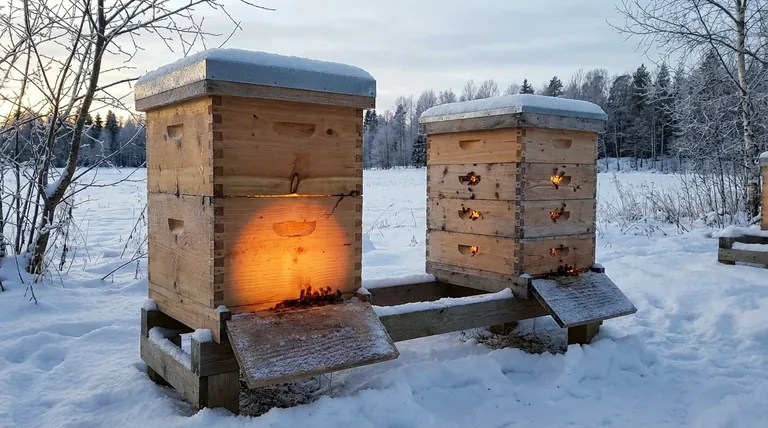
Beekeepers face a critical challenge each winter: keeping their colonies alive despite plummeting temperatures. The secret lies in understanding how hive body depth directly impacts the bees' ability to maintain their cluster—a tightly packed formation that generates and conserves heat. This article reveals the science behind winter cluster dynamics, demonstrates why shallow supers increase mortality risks, and provides actionable solutions tailored to regional climates.
Why Winter Cluster Survival Dictates Brood Chamber Design
Bees don’t hibernate; they cluster. When temperatures drop below 50°F (10°C), honeybees form a living furnace by vibrating their wing muscles to generate heat. The cluster’s ability to maintain a core temperature of around 93°F (34°C)—critical for brood survival—depends on hive design.
The Science of Bee Thermoregulation in Cold Climates
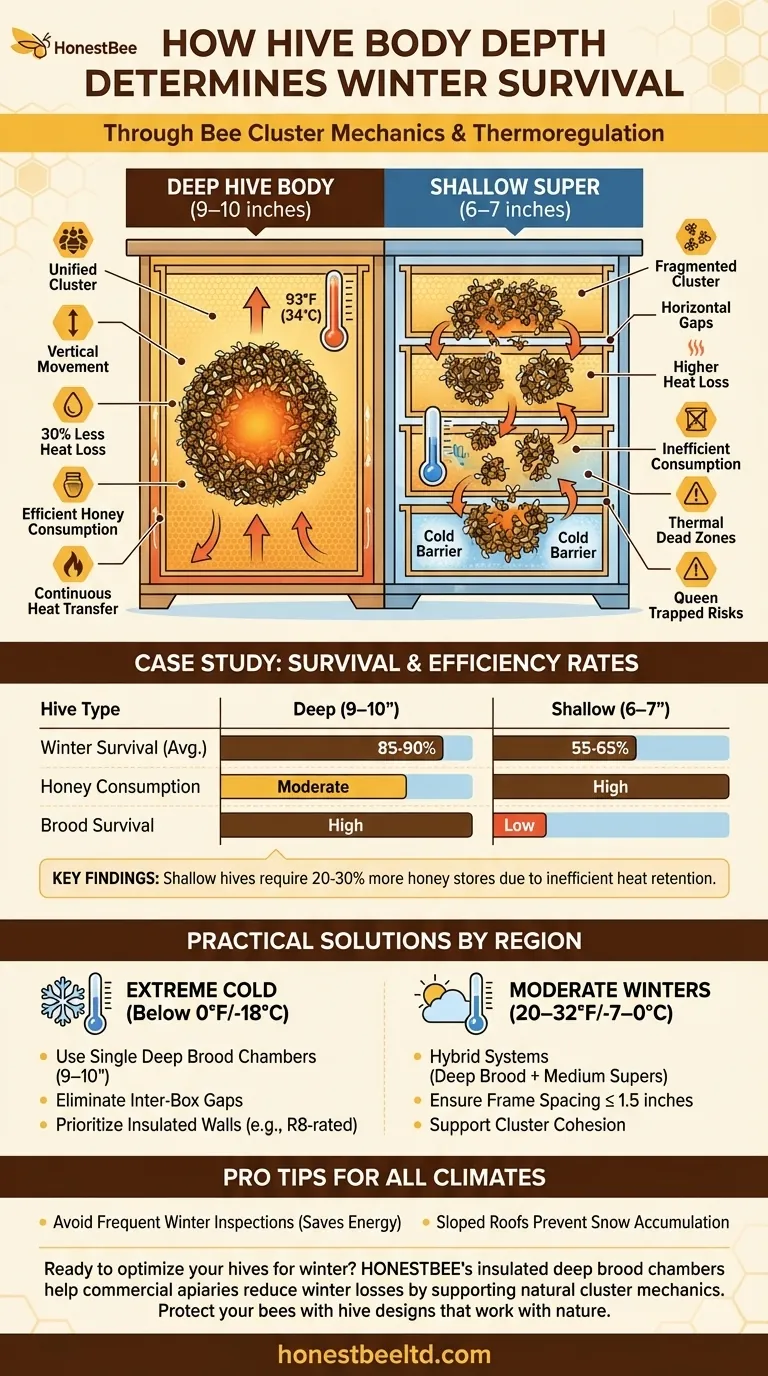
Research shows that bees in deep hive bodies (9–10 inches) sustain tighter clusters with:
- 30% less heat loss compared to shallow supers (6–7 inches)
- More efficient honey consumption, as bees expend less energy reheating fragmented clusters
- Better protection against "cold barrier" gaps that disrupt heat circulation
Deep frames allow the cluster to move vertically as a unified mass, accessing honey stores without breaking formation. Shallow supers force bees to bridge horizontal gaps, fracturing the cluster and leaving peripheral bees vulnerable to hypothermia.
How Horizontal Gaps Fragment and Weaken the Cluster
A hive with multiple shallow boxes creates thermal dead zones:
- Bees cannot span gaps wider than ¾ inch without losing contact.
- Isolated subgroups struggle to share heat or food, leading to starvation even with ample honey reserves.
- The queen may become trapped in a cooling section, halting brood production.
In contrast, deep brood chambers minimize gaps, enabling continuous heat transfer from the cluster’s core to its outer layers.
Case Studies: Colony Mortality Rates in Shallow vs. Deep Supers
Field observations from northern U.S. apiaries reveal stark contrasts:
| Hive Type | Winter Survival Rate (Avg.) | Honey Consumption | Brood Survival |
|---|---|---|---|
| Deep (9–10") | 85–90% | Moderate | High |
| Shallow (6–7") | 55–65% | High | Low |
Key findings:
- Shallow hives require 20–30% more honey stores due to inefficient heat retention.
- Colonies in deep bodies maintain brood-rearing temperatures longer, ensuring faster spring buildup.
Practical Solutions: Matching Hive Body Depth to Regional Winters
For Extreme Cold (Below 0°F/-18°C)
- Use single deep brood chambers (9–10") to eliminate inter-box gaps.
- Prioritize hives with insulated walls (like R8-rated designs) to reduce heat loss.
For Moderate Winters (20–32°F/-7–0°C)
- Hybrid systems work: deep brood boxes paired with medium-depth honey supers.
- Ensure frames are spaced no more than 1.5 inches apart to support cluster cohesion.
Pro Tips for All Climates
- Avoid frequent inspections in winter; breaking the cluster costs bees days of energy recovery.
- Sloped roofs prevent snow accumulation that can block ventilation.
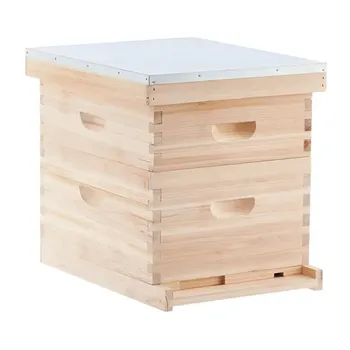
Ready to optimize your hives for winter? HONESTBEE’s insulated deep brood chambers help commercial apiaries and distributors reduce winter losses by supporting natural cluster mechanics. Explore our wholesale-focused beekeeping supplies designed to keep colonies thriving—even in the coldest months.
Protect your bees with hive designs that work with nature, not against it.
Guida Visiva
Prodotti correlati
- Arnie Langstroth ad alte prestazioni per l'apicoltura professionale globale
- Supporto per arnia in metallo Supporto per cassetta delle api per l'apicoltura
- Sollevatore di alveari ergonomico pieghevole per due persone
- Connettore ad incastro in plastica durevole per l'apicoltura
- Riposo professionale in acciaio zincato per alveari
Articoli correlati
- Come scegliere le dimensioni dei melari dell'arnia Langstroth per ergonomia, efficienza e salute delle api
- Flow Hive vs. Langstroth: Quando il prezzo elevato garantisce un vero risparmio?
- How Langstroth Hives Solve Universal Beekeeping Challenges Through Smart Design
- How the Langstroth Hive Solves Modern Beekeeping’s Biggest Challenges
- Come il design dell'arnia Langstroth ottimizza la crescita della colonia di api e la produzione di miele