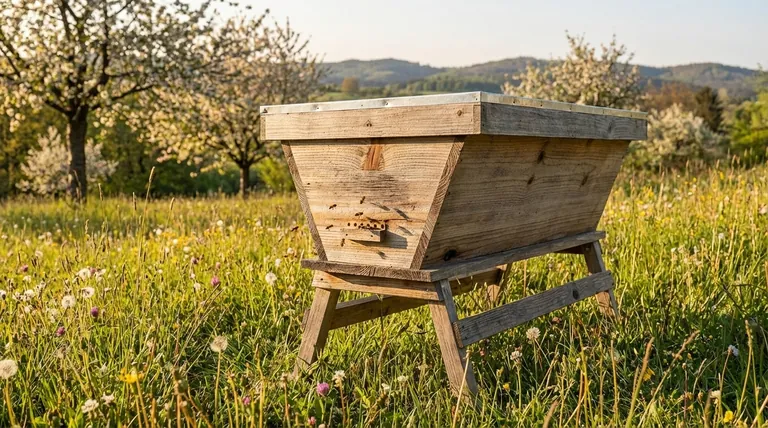
Starting a bee colony in a top bar hive requires careful planning. Unlike traditional Langstroth hives, top bar systems prioritize simplicity and natural comb building—but choosing the wrong introduction method can lead to colony stress or failure. This guide explores practical, context-sensitive approaches to ensure your bees thrive from day one.
Introduction to Top Bar Hive Bee Colonization
Top bar hives appeal to beekeepers seeking low-maintenance, sustainable systems. Their horizontal design eliminates heavy lifting (no supers to stack) and encourages bees to build combs organically. However, introducing bees to this environment demands attention to:
- Colony source (package bees vs. nucleus colonies)
- Seasonal timing (early spring is ideal for establishment)
- Hive preparation (proper spacing and bait comb to attract bees)
Research shows that colonies adapt faster when introduced during nectar flows, as natural food sources reduce reliance on supplemental feeding.
Factors Influencing Your Bee Introduction Method
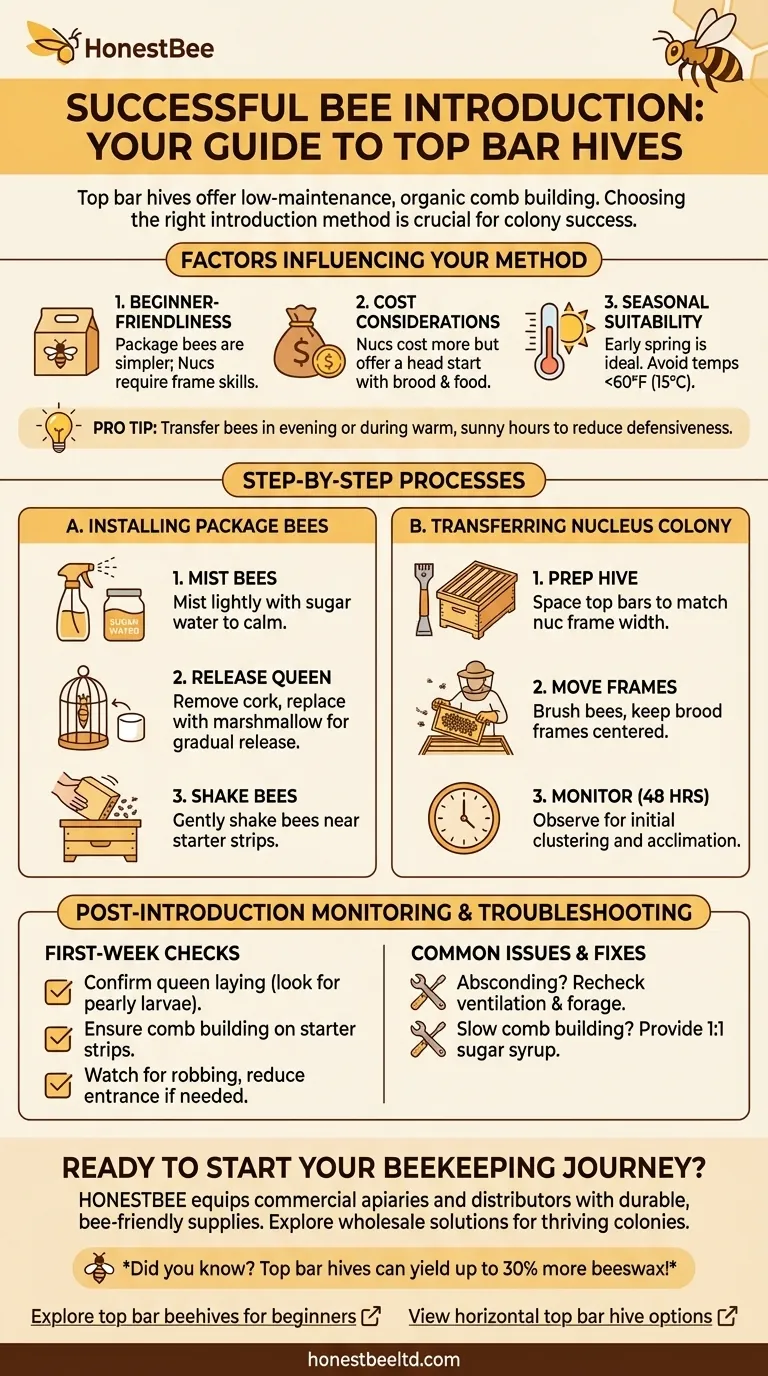
1. Beginner-Friendliness
Package bees (caged bees with a queen) are simpler for newcomers, while nucleus colonies ("nucs") require careful frame transfer skills.
2. Cost Considerations
Nucs cost slightly more but provide a head start with established brood and food stores.
3. Seasonal Suitability
Early spring transfers minimize temperature risks. Avoid days colder than 60°F (15°C)—chilled brood is a leading cause of early colony collapse.
Pro Tip: Transfer bees in the evening or during warm, sunny hours when foragers are active. This reduces defensive behavior.
Step-by-Step Processes for Each Method
A. Installing Package Bees
- Mist the bees lightly with sugar water to keep them calm.
- Release the queen first by removing her cage’s cork plug (replace it with a marshmallow—bees will free her gradually).
- Shake bees into the hive gently, ensuring the cluster lands near pre-drawn comb or starter strips.
B. Transferring a Nucleus Colony
- Prep the top bar hive by spacing bars to match the nuc’s frame width.
- Move frames one by one, brushing bees into the new hive. Keep brood frames centered for optimal temperature regulation.
- Monitor for 48 hours—bees may initially cluster outside before acclimating.
Post-Introduction Monitoring and Troubleshooting
First-Week Checks:
- Confirm the queen is laying eggs (look for curved, pearly-white larvae).
- Ensure bees are building comb along starter strips.
- Watch for robbing behavior; reduce the hive entrance if needed.
Common Issues and Fixes:
- Absconding bees? Recheck hive ventilation and nearby forage availability.
- Slow comb building? Provide 1:1 sugar syrup to stimulate wax production.
Ready to Start Your Beekeeping Journey?
HONESTBEE equips commercial apiaries and distributors with durable, bee-friendly supplies—from hive tools to protective gear. Explore our wholesale solutions designed to help your colonies thrive.
Did you know? Top bar hives can yield up to 30% more beeswax than framed systems, creating added value for beekeepers.
Products You Might Be Looking For:
Explore top bar beehives for beginners
View horizontal top bar hive options
Guida Visiva
Prodotti correlati
- Arnia Top Bar per apicoltura Wholesales Kenya Arnia Top Bar
- Alveare a barre orizzontali di tipo Langstroth lungo per la vendita all'ingrosso
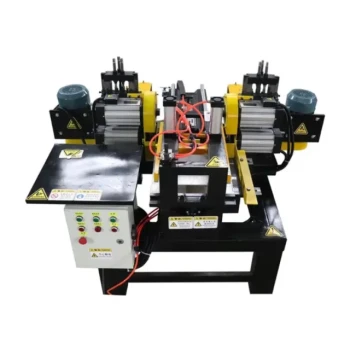
- HONESTBEE Macchina formatrice di barre superiori inferiori di precisione per la produzione di telai per alveari
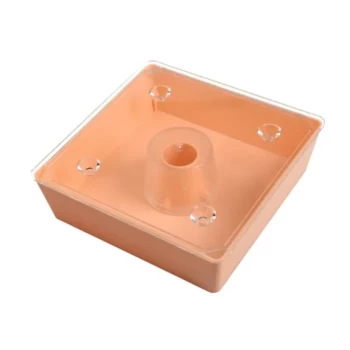
- HONESTBEE Alimentatore per alveari quadrato superiore Alimentatore per alveari superiore
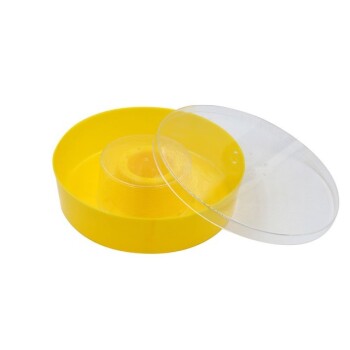
- HONESTBEE Alimentatore rotondo per sciroppo per alveari
Articoli correlati
- Come ispezionare gli alveari Top Bar senza danneggiare il favo: Guida per l'apicoltore
- Oltre il controllo dei parassiti: la logica operativa dell'arnia kenyana a barra superiore
- How Top Bar Hives Naturally Boost Bee Health and Simplify Beekeeping
- Architettura dell'Alveare e il Paradosso Invernale: Perché la Ritenzione del Calore Non È Sufficiente
- Come raccogliere il miele dagli alveari Top Bar in modo sostenibile: Una guida amica delle api