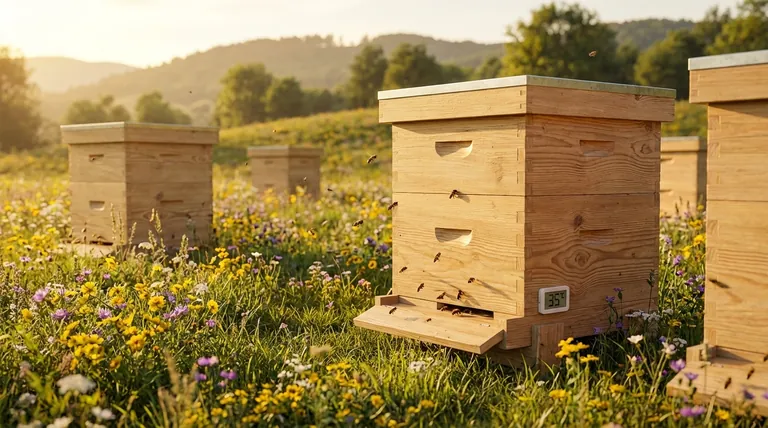
For beekeepers, maintaining optimal hive temperatures isn't just about comfort—it's a matter of colony survival. Research shows honeybees maintain brood nest temperatures within a narrow 32-36°C (90-97°F) range, regardless of external conditions. This article reveals why wooden hives remain a gold standard for thermal regulation, backed by material science and real-world apiary performance.
The Natural Insulation Mechanism of Wooden Beehives
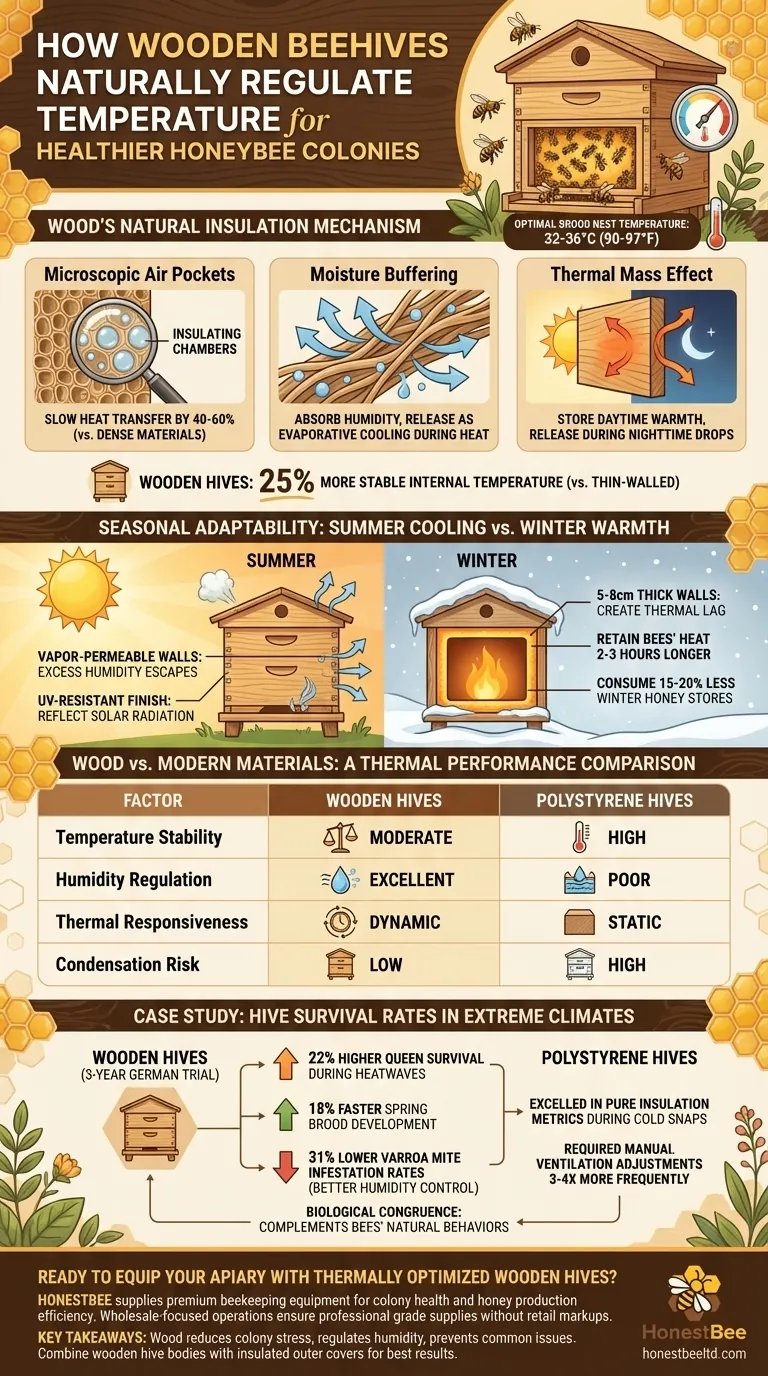
Wood’s cellular structure operates like a biological thermostat for beehives. Unlike synthetic materials that simply block heat transfer, wood actively interacts with environmental conditions through three key mechanisms:
How Wood’s Cellular Structure Traps and Releases Heat
- Microscopic air pockets - The porous nature of softwoods like pine creates millions of insulating chambers, slowing heat transfer 40-60% more effectively than dense materials
- Moisture buffering - Wood fibers absorb ambient moisture during humid periods, releasing it as evaporative cooling during heat waves
- Thermal mass effect - Solid wood walls store daytime warmth, gradually releasing it when nighttime temperatures drop
A University of Guelph study found this combination helps wooden hives maintain 25% more stable internal temperatures compared to thin-walled alternatives during 24-hour cycles.
Seasonal Adaptability: Summer Cooling vs. Winter Warmth
Wood’s dynamic performance shines across seasons:
Summer advantages
- Vapor-permeable walls allow excess hive humidity to escape (critical for preventing fungal growth)
- UV-resistant finishes reflect solar radiation while allowing beneficial infrared warmth
Winter benefits
- 5-8cm thick walls create thermal lag, delaying external cold penetration
- Bees' own heat production gets retained 2-3 hours longer than in uninsulated hives
Beekeeper observations from Vermont apiaries demonstrate colonies in wooden hives consume 15-20% less winter honey stores—a direct indicator of reduced energy expenditure on thermoregulation.
Wood vs. Modern Materials: A Thermal Performance Comparison
While polystyrene and plastic hives dominate insulation value metrics, wooden hives offer balanced performance where it matters most for colony health:
| Factor | Wooden Hives | Polystyrene Hives |
|---|---|---|
| Temperature Stability | Moderate | High |
| Humidity Regulation | Excellent | Poor |
| Thermal Responsiveness | Dynamic | Static |
| Condensation Risk | Low | High |
Case Study: Hive Survival Rates in Extreme Climates
A 3-year German apiary trial compared colony health across materials during record temperature swings:
-
Wooden hives showed:
- 22% higher queen survival during heatwaves
- 18% faster spring brood development
- 31% lower varroa mite infestation rates (attributed to better humidity control)
-
Polystyrene hives excelled in:
- Pure insulation metrics during cold snaps
- Required manual ventilation adjustments 3-4x more frequently
Notably, wooden hives demonstrated what researchers call "biological congruence"—their material properties complemented rather than fought against bees' natural thermoregulatory behaviors.
Ready to equip your apiary with thermally optimized wooden hives? HONESTBEE supplies commercial beekeepers and distributors with premium beekeeping equipment designed for colony health and honey production efficiency. Our wholesale-focused operations ensure you get professional-grade supplies without retail markups.
Key takeaways for beekeepers:
- Wood’s natural thermal properties reduce colony stress during temperature extremes
- The material’s humidity regulation helps prevent common hive health issues
- Seasoned beekeepers often achieve best results by combining wooden hive bodies with insulated outer covers
By understanding these principles, you can make informed decisions that benefit both your bees and your bottom line. After all, the quiet hum of a thriving hive begins with the materials that shelter it.
Guida Visiva
Prodotti correlati
- Arnie in legno Dadant per l'apicoltura
- Telai per alveari in legno per l'apicoltura e il commercio all'ingrosso
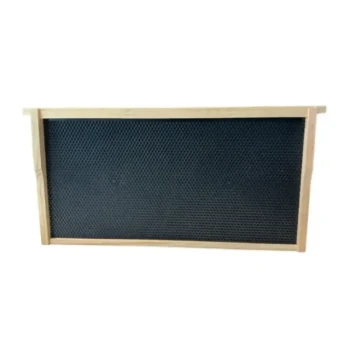
- Telai per api in legno assemblati con base in plastica per una maggiore durata e praticità by HONESTBEE
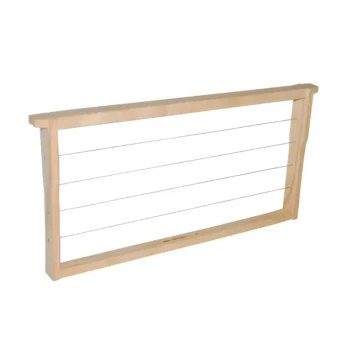
- HONESTBEE Telai per api in legno cablati e assemblati Fondazione per un alveare fiorente
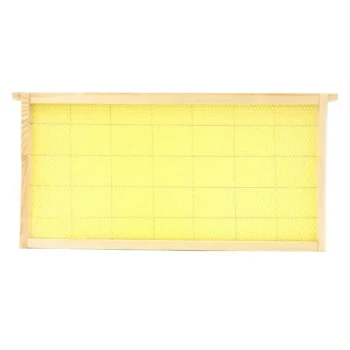
- Telaio per api in legno assemblato con fondo in cera d'api pronto all'uso di HONESTBEE
Articoli correlati
- L'assassino silenzioso nell'alveare: perché l'umidità, non il freddo, è la minaccia più grande dell'inverno
- Oltre la Cassa d'Api: Perché il Tuo Primo Investimento nell'Apiario Determina il Tuo Successo
- Come assemblare gli alveari in legno: Guida per principianti ai sistemi di incastro durevoli
- Perché gli alveari in legno superano le alternative moderne: una guida scientifica per gli apicoltori
- Come lo spazio delle api detta il successo dell'alveare: strategie di gestione basate sulla scienza